
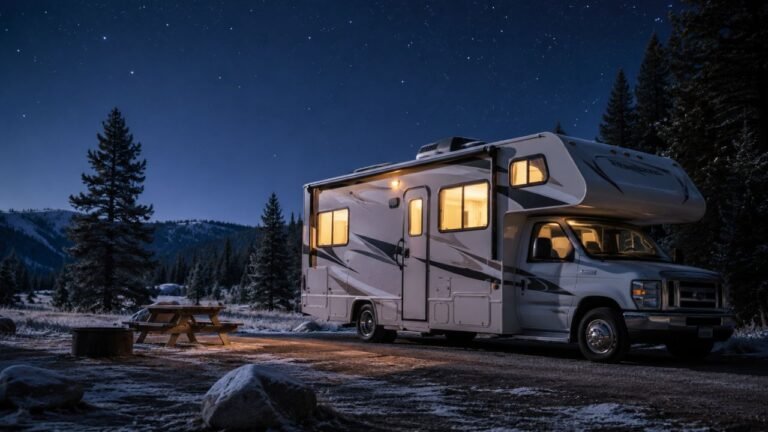
Yes, an RV furnace can drain the battery overnight. Propane creates the heat, but the blower motor, thermostat, ignition system, gas valve, and control board all rely on 12-volt battery power. In this...
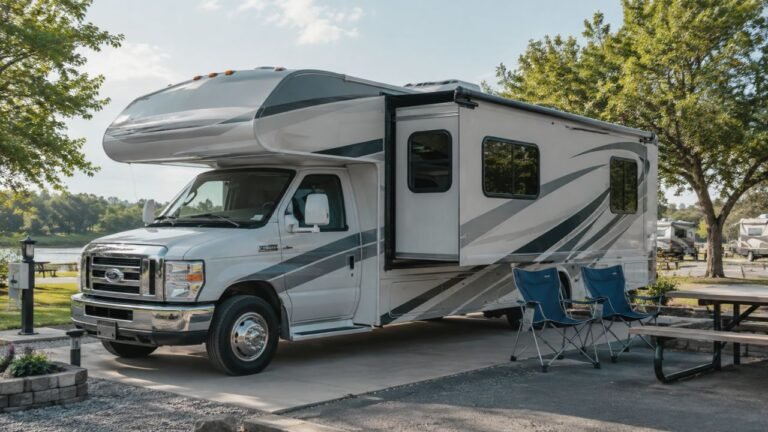
An RV slide creeps out after closing when its drive system cannot hold the room securely in the retracted position. Hydraulic slides commonly lose pressure through a leaking valve or cylinder seal...
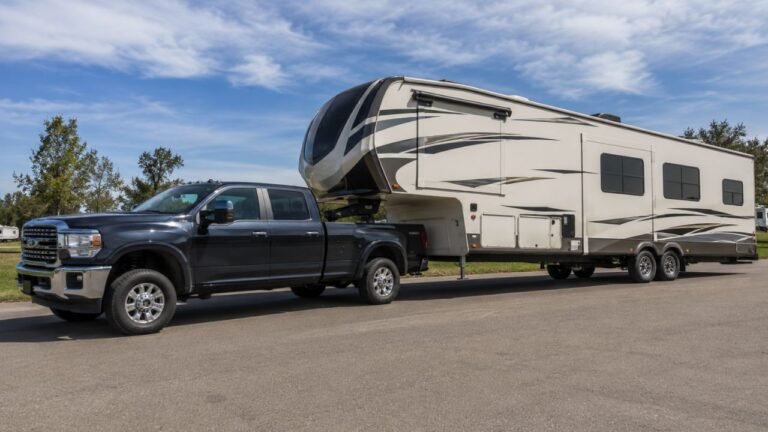
Your fifth wheel usually tows nose-high because the hitching point sits too high. A tall truck bed, raised hitch, low pin box, suspension modifications, or insufficient trailer height can create this...
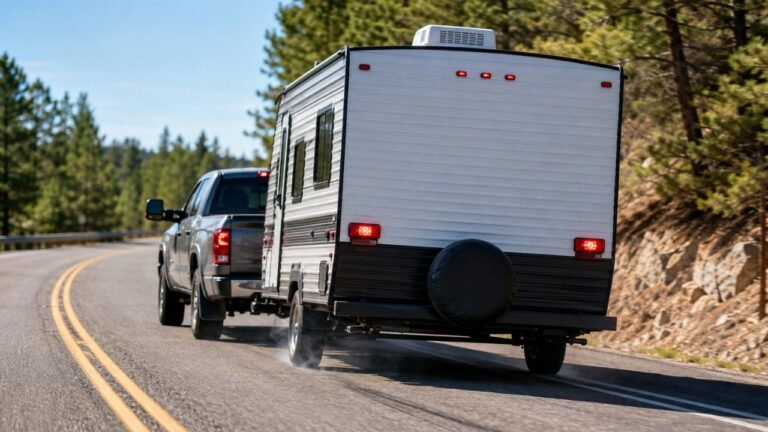
A trailer pulls to one side when braking because its wheels produce uneven braking force. Common causes include weak brake magnets, damaged wiring, uneven brake adjustment, contaminated brake shoes...
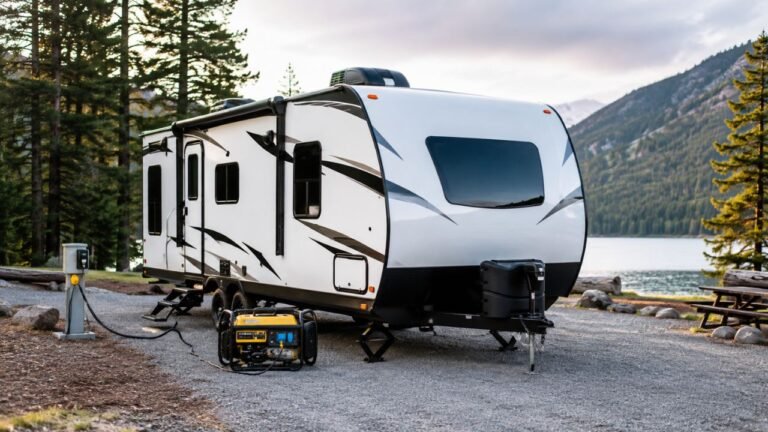
If your RV outlets work on shore power but not on a generator, check the generator-mounted breaker, generator output, power cord, surge protector, and automatic transfer switch. Because shore power...
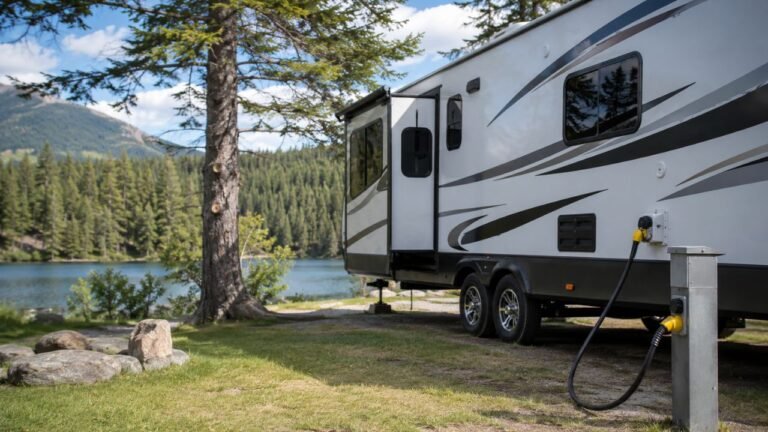
Your RV outlets work on shore power because they need 120-volt AC electricity. Your house battery supplies 12-volt DC electricity, so the outlets need an inverter before they can use battery power...
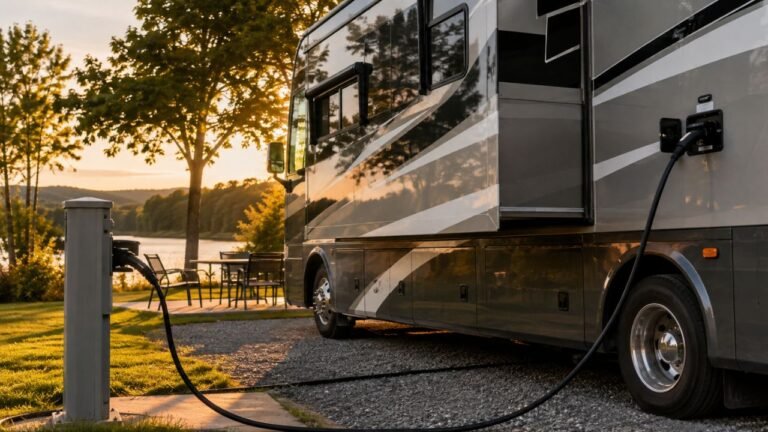
One side of a 50-amp RV usually stops working because one of its two 120-volt hot legs has lost power. The failure may come from the campground pedestal, shore power cord, RV inlet, surge protector...
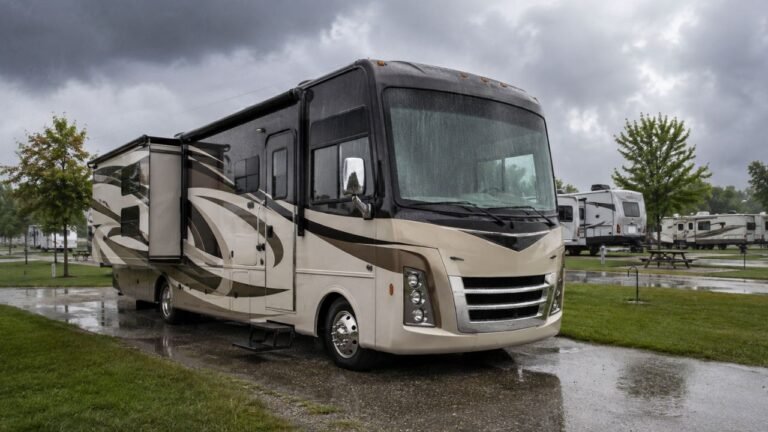
Yes, rain can cause an RV breaker to trip when moisture reaches an outlet, shore power connection, appliance, or damaged wire. The water may create a ground fault, short circuit, electrical leakage...
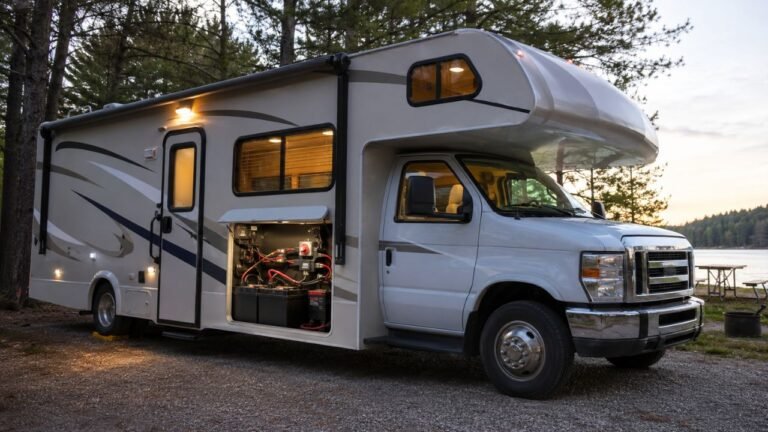
Your RV battery disconnect may not shut off all power because some circuits bypass the switch. Shore power, solar equipment, chassis batteries, safety devices, inverters, and direct-wired accessories...