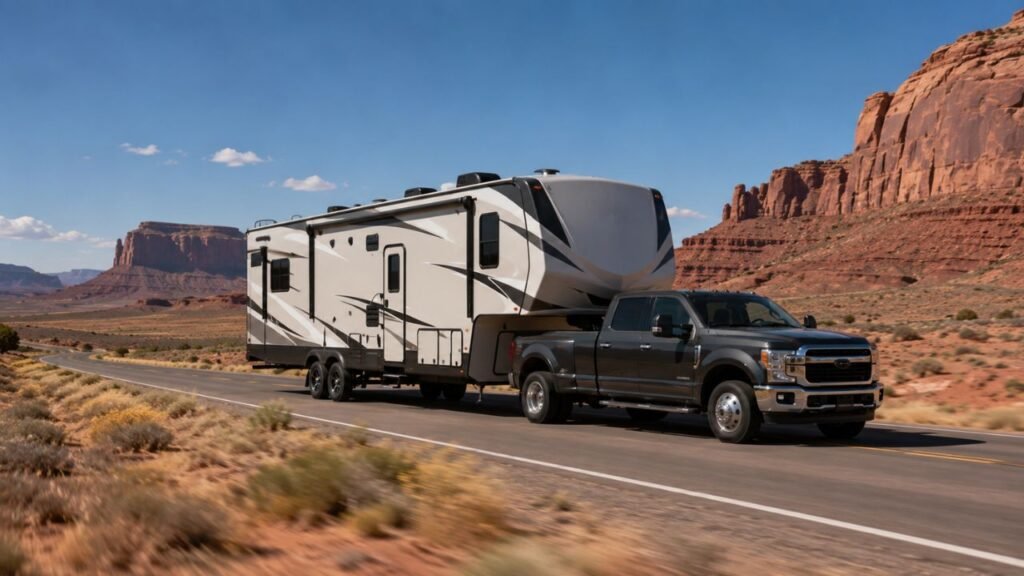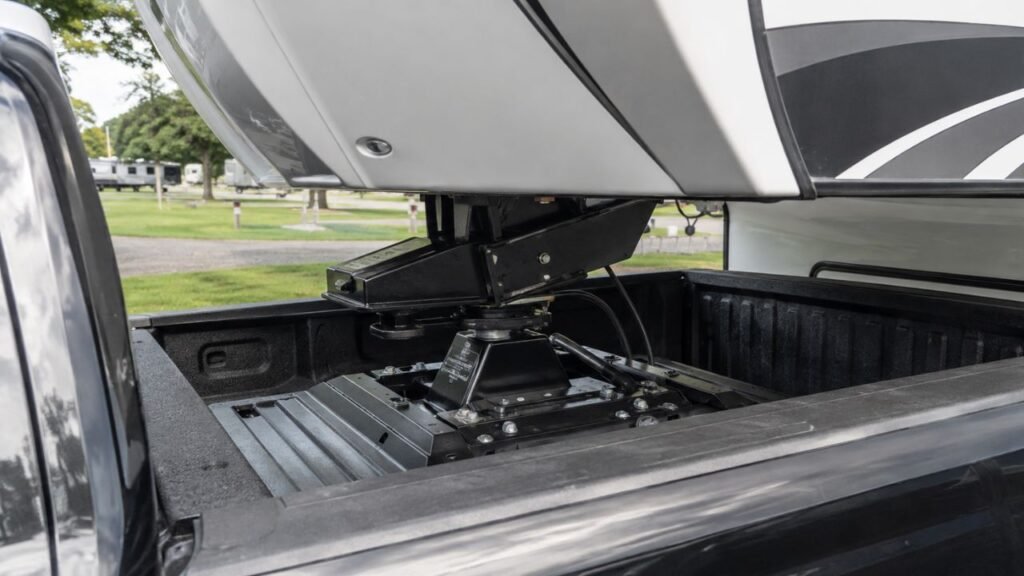
A small amount of fifth-wheel pin-box movement can be normal. Hitch heads pivot, cushioned pin boxes flex, and mechanical connections need limited clearance. However, movement between the pin-box mounting plates and trailer frame is not normal.
This guide will help you identify where movement originates. You will also learn what to inspect, when to stop towing, and how to prevent further damage.
Key Takeaways
- First determine exactly which part is moving.
- Hitch-head pivoting is usually normal and necessary.
- Cushioned pin boxes intentionally allow controlled movement.
- Rigid pin-box mounting plates should not shift against the frame.
- Loose bolts, cracked welds, and widening gaps require immediate attention.
- Never rely on one universal movement measurement.
- Stop towing when structural movement or damaged steel appears.
First, Identify What Is Actually Moving
Several connected parts can move while your fifth wheel is hitched. Identifying the exact moving joint helps you avoid unnecessary repairs or unsafe assumptions.
The Fifth-Wheel Hitch Head
Most fifth-wheel hitch heads pivot forward and backward. Many also tilt slightly from side to side.
This movement helps the truck and trailer cross uneven ground. Without articulation, the connection would bind during turns, slopes, and driveway transitions.
Watch the hitch head while weight transfers onto the truck. Movement at its designed pivot points is generally expected.
However, loose rails, worn pivot pins, or damaged bushings are different. Those problems can create extra movement and metallic clunking.
The Kingpin Inside the Hitch Jaws
The kingpin locks into the hitch jaws inside your truck bed. A small amount of clearance may exist between these components.
You may notice slight forward-and-back movement during braking or acceleration. This can be more obvious with some hitch designs.
Excessive movement may indicate worn jaws or kingpin damage. It can also happen when the hitch needs adjustment.
The jaws should fully close around the kingpin. The locking indicator must also show a secure connection.
A Cushioned or Air-Ride Pin Box
Cushioned pin boxes are specifically designed to move. They use rubber blocks, airbags, springs, shocks, or pivoting assemblies.
This controlled travel absorbs road impact and reduces chucking. It can protect your truck, hitch, trailer frame, and belongings.
Do not mistake designed cushioning movement for looseness. Check the pin-box model and compare its operation with the manufacturer’s instructions.
A rubber pin box may move forward and backward noticeably. An air-ride model may also compress vertically under changing loads.
The Pin-Box Mounting Wings
The mounting wings connect the pin box to the trailer frame. These steel surfaces should remain firmly secured together.
You should not see the mounting plates sliding against each other. Gaps should not open while weight transfers onto the hitch.
Movement here may indicate loose bolts or damaged mounting holes. It can also point toward bent brackets or cracked steel.
This type of movement deserves immediate attention. Do not assume it is normal pin-box flex.
The Trailer Frame or Front Body
Sometimes the pin box remains secure while the trailer body moves. The front cap, bedroom floor, walls, or trim may shift independently.
A small amount of body flex can occur during weight transfer. However, visible separation or cracking is more concerning.
Watch the relationship between the pin box and surrounding structure. Fresh sealant cracks, moving trim, and changing wall gaps can indicate frame problems.
Normal Versus Abnormal Fifth-Wheel Pin-Box Movement
Movement location matters more than movement alone. Use the table below to separate normal articulation from possible mechanical or structural problems.
| Movement Observed | Usually Normal? | Possible Cause | What You Should Do |
| Hitch head tilts on uneven ground | Usually | Normal hitch articulation | Check that pivot points remain secure |
| Cushioned pin box moves forward and backward | Often | Designed rubber, air, or spring travel | Compare with model instructions |
| Slight kingpin movement inside hitch jaws | Possibly | Normal clearance or early wear | Inspect jaws and kingpin |
| Pin-box plate slides against frame bracket | No | Loose bolts or damaged mounting holes | Stop towing and inspect |
| Gap opens between mounting surfaces | No | Loose hardware or structural deformation | Do not tow |
| Front cap moves separately from pin box | Concerning | Body flex or upper-frame movement | Arrange a professional inspection |
| Sharp clunk during starts or stops | Not always | Hitch play, chucking, or loose components | Find the exact source |
| Cracks widen during weight transfer | No | Failed weld or structural movement | Stop the test immediately |
| Rubber or air system compresses smoothly | Usually | Normal cushioning action | Inspect for damage or leakage |
| One side moves more than the other | Concerning | Uneven mounting, frame twist, or failed hardware | Inspect both mounting sides |
How Much Pin-Box Movement Is Normal?
There is no single measurement that applies to every fifth wheel. Acceptable movement depends on the hitch and pin-box design.
Some owners hear that one-quarter inch is always normal. Others believe anything over one-half inch is unsafe.
These general limits can be misleading. A cushioned pin box may intentionally move much farther than a rigid model.
The location of the measurement also changes the result. Movement measured at the kingpin may look larger than movement at the mounting plate.
Trailer loading can also affect visible travel. A heavily loaded trailer may compress cushioning components more than an empty trailer.
Direction matters as well. Forward movement may come from cushioning, while sideways shifting at a mounting bracket may signal damage.
Do not measure from flexible fiberglass panels. Instead, mark the steel mounting surfaces and observe whether those points separate.
The safest approach is comparing movement with model-specific instructions. Your hitch and pin-box manufacturers should define expected operation.
Why Does a Fifth-Wheel Pin Box Move?
Pin-box movement has several possible causes. Some are completely normal, while others require repair before towing again.
Normal Hitch Articulation
Your truck and trailer rarely remain perfectly level together. The hitch must allow controlled movement as road angles change.
The hitch head may tilt during turning or braking. It can also pivot while crossing dips or campground entrances.
This articulation prevents excessive binding at the kingpin. It is an essential part of normal fifth-wheel operation.
Built-In Cushioning Travel
Cushioned pin boxes reduce shock transferred through the connection. Their internal components move instead of sending every impact into the frame.
Rubber systems flex under forward and backward force. Airbag systems compress during vertical impact.
Some models also use shocks or springs. These parts control movement and prevent excessive bouncing.
Movement should feel smooth and controlled. Sudden looseness, grinding, or uneven travel may indicate worn components.
Hitch-Jaw or Kingpin Clearance
A small clearance may exist between the kingpin and hitch jaws. This can create a noticeable bump during starts and stops.
Worn jaws usually create more movement over time. A grooved or damaged kingpin can also worsen the problem.
Incorrect hitch adjustment may produce similar symptoms. Always verify the jaws lock completely around the kingpin.
Loose or Damaged Mounting Hardware
Pin-box mounting bolts carry significant towing forces. Repeated braking, rough roads, and frame twisting can stress them.
Loose bolts allow the mounting plates to shift. This movement may create rust trails, polished metal, or elongated holes.
A bolt can also stretch or shear. Damaged hardware should not simply be tightened and ignored.
Inspect every visible fastener on both sides. One loose connection can transfer extra stress to nearby bolts.
Worn Pin-Box Components
Cushioned pin boxes contain parts that eventually wear. Rubber springs may crack, harden, or separate.
Airbags can leak or develop dry rot. Shocks may lose resistance or disconnect from their mounts.
Bushings and pivot bolts can also wear. This creates uncontrolled movement and louder clunking.
Compare current movement with previous trips. A sudden change often deserves closer inspection.
Excessive Fifth-Wheel Frame Flex
The upper trailer frame carries pin weight and towing forces. Some controlled frame movement may occur during normal use.
Excessive flex can damage welds, wall framing, flooring, and front-cap attachments. It may also loosen the pin-box mounting structure.
Watch for changing gaps near the bedroom slide, front cap, and overhang. Interior trim movement may also reveal structural stress.
Frame flex becomes more concerning when movement increases. New cracks or permanent misalignment should never be ignored.
Poor Loading or Towing Angle
An improperly loaded fifth wheel can increase pin-box stress. Too little pin weight may worsen chucking and instability.
Excessive pin weight can overload the truck and trailer structure. Uneven cargo may also twist the upper frame.
A trailer towing nose-high can shift weight rearward. This may increase bouncing and stress on the rear trailer axle.
Correct loading and towing height help reduce unnecessary movement. Always evaluate the trailer in its fully loaded condition.
Warning Signs the Movement Is Not Normal
Normal movement stays controlled and occurs at designed pivot points. The following signs indicate possible mechanical or structural trouble.
- The mounting wings slide against the trailer brackets.
- A gap opens between bolted steel surfaces.
- Mounting holes appear stretched or oval.
- Bolts repeatedly loosen after proper tightening.
- Rust trails appear around bolts or welds.
- Steel plates show bending or permanent distortion.
- Fresh cracks appear around mounting brackets.
- Welds open while trailer weight transfers.
- The front cap separates from nearby trim.
- Bedroom walls or flooring move visibly.
- Cabinet doors suddenly stop aligning.
- Metallic popping becomes louder over time.
- The trailer begins chucking more than before.
- The kingpin shows deep grooves or uneven wear.
- One mounting side moves more than the other.
- Caulking cracks return immediately after repair.
Visible steel separation is a stop-towing condition. Have the connection professionally inspected before moving the trailer.
Pin-Box Movement Versus Fifth-Wheel Frame Flex
Pin-box movement and frame flex are often confused. Knowing the difference helps you inspect the correct area.
Pin-Box Movement
Pin-box movement occurs within the hitch or pin-box assembly. This may include hitch-head pivoting or cushioning travel.
The mounting structure remains firmly secured during normal pin-box movement. Bolted steel surfaces should not slide apart.
A controlled rubber or air system usually returns to position. The movement should also remain consistent between trips.
Normal Chassis Flex
A fifth-wheel chassis experiences changing forces while towing. Small amounts of temporary flex can occur as weight transfers.
This movement depends on trailer length, frame design, loading, and road conditions. Longer trailers may show more visible body movement.
Normal flex should not create permanent gaps or cracked steel. The structure should return to its original position.
Excessive or Damaging Frame Flex
Excessive flex may widen gaps around walls and trim. It can also crack welds or distort the pin-box mounting structure.
You may notice movement inside the bedroom area. Cabinets, flooring, or wall panels may shift during hitching.
Exterior signs include cracked sealant and front-cap separation. Fresh stress cracks may also appear near the overhang.
These symptoms require professional investigation. Cosmetic repairs alone will not correct structural movement.
Why Measuring the Front Cap Can Be Misleading
Fiberglass panels do not always move with the steel frame. Trim pieces and sealant can also shift independently.
A measurement taken from the front cap may exaggerate movement. It may also hide movement occurring at the steel connection.
Use fixed reference points on the mounting brackets. Compare the same points before and during weight transfer.
This helps you see whether the movement comes from body panels or structural steel.
How to Inspect Fifth-Wheel Pin-Box Movement Safely
A careful inspection can reveal the movement source. Perform these checks on firm, level ground with the trailer wheels securely chocked.
Record the Pin-Box and Hitch Models
Start by locating identification labels on both components. Record the brand, model, bolt pattern, and weight rating.
Take clear photographs of each label. This information helps you find correct inspection and torque instructions.
Do not assume similar-looking pin boxes operate identically. Different models may allow very different movement ranges.
Inspect the Trailer While Unhitched
Use a flashlight to inspect both pin-box mounting sides. Look closely at bolts, brackets, welds, and mounting holes.
Check for shiny metal around bolted joints. Polished surfaces can reveal recent movement between steel parts.
Look for rust trails below bolts. These marks may indicate water entering a moving connection.
Inspect the kingpin for bending or deep grooves. Its surface should not show severe uneven wear.
Check the Hitch and Kingpin Connection
Inspect the hitch jaws before coupling. Look for chipped edges, deep wear, and damaged locking parts.
Confirm the hitch is securely attached to its rails or mounting system. Movement at the truck-bed mounts can mimic pin-box trouble.
After coupling, visually confirm the jaws surround the kingpin. Never depend only on the release handle position.
Perform the recommended pull test before towing. Keep the trailer landing gear close to the ground during this test.
Mark Reference Points
Place removable tape across suspected rigid joints. Draw a straight line across the mounting plate and bracket.
If the line separates during weight transfer, the joint is moving. This gives you clearer evidence than watching from several feet away.
Do not place fingers near the marked joint. Use photographs or video instead.
Observe Controlled Weight Transfer
Have one person operate the landing gear. Another person should observe safely from the side.
Gradually transfer trailer weight onto the hitch. Watch the hitch head, cushioning assembly, and mounting wings separately.
Stop immediately if a structural gap opens. Also stop if you hear cracking or sharp metallic popping.
Never stand beneath the pin box during this test. Do not position anyone between the truck and trailer.
Record a Close-Up Video
A video often reveals movement that happens too quickly to see. Keep the camera focused on one joint at a time.
Record both sides of the pin-box mount. Also record the hitch jaws and hitch-head pivots.
Review the footage slowly. Look for delayed movement, gaping, or one-sided shifting.
This video can help a technician evaluate the problem. It also creates a useful condition record.
Compare Both Sides
Both mounting sides should behave similarly. One-sided movement can indicate a loose bracket or uneven structural loading.
Compare bolt positions and visible gaps. Look for cracked paint or metal on only one side.
An asymmetrical problem deserves immediate attention. It may signal twisting within the upper frame.
A Simple Stationary Movement Test
You can perform a basic movement test without towing. Use slow, controlled weight transfer and remain clear of all pinch points.
- Park the truck and trailer on level pavement.
- Apply the truck parking brake firmly.
- Chock the trailer wheels in both directions.
- Inspect and photograph every visible mounting point.
- Mark suspected rigid joints with removable tape.
- Couple the trailer using the normal procedure.
- Verify that the hitch jaws are fully locked.
- Transfer pin weight onto the hitch gradually.
- Observe the hitch head and pin box separately.
- Record each mounting side with a close-up video.
- Raise and lower the landing gear slightly.
- Stop if any rigid mounting gap changes.
- Compare the movement with model specifications.
- Arrange an inspection when the source remains unclear.
Never place your hands near moving brackets or pivot points. A loaded fifth wheel can shift suddenly.
What Different Types of Movement Usually Mean
The direction of movement can provide useful clues. It does not replace inspection, but it helps narrow possible causes.
Forward-and-Backward Movement
Forward-and-backward movement may come from a cushioned pin box. This movement helps absorb braking and acceleration forces.
It can also come from clearance inside the hitch jaws. Worn jaws may create a stronger bump during starts and stops.
Loose mounting hardware can produce similar movement. Watch the mounting plates while the truck loads the connection.
Side-to-Side Movement
Side-to-side movement may come from normal hitch articulation. Some cushioned pin boxes also allow limited lateral movement.
Movement at one mounting bracket is more concerning. It may indicate loose hardware, frame twist, or damaged steel.
Compare both mounting sides carefully. One side should not visibly separate from the frame.
Up-and-Down Movement
Vertical movement may result from hitch-head pivoting. Air-ride and spring-equipped pin boxes also compress vertically.
Excessive bouncing can indicate poor air pressure or worn shocks. It may also result from trailer loading problems.
Vertical movement at the mounting joint is not normal. Investigate any gap forming between rigid steel surfaces.
Twisting Movement
Twisting can occur on uneven campsites or sloped driveways. The hitch must articulate as the truck and trailer sit differently.
Persistent twisting at one pin-box bracket is concerning. It may reveal uneven mounting or upper-frame deformation.
Repeat the observation on level pavement. This helps separate terrain-related articulation from structural movement.
Movement With a Metallic Clunk
A clunk often comes from hitch-jaw clearance. Worn hitch pivots or loose truck-bed mounts can also create noise.
A cushioned pin box may make some operational sound. However, sharp or worsening noise deserves investigation.
Watch every connection while a helper loads the hitch. The loudest sound may not come from the visible moving part.
Movement With Cracking Sounds
Cracking sounds should never be ignored. They may come from sealant, interior trim, wood framing, or structural steel.
Stop the weight-transfer test immediately. Inspect brackets, welds, flooring, and front-cap attachments.
Do not continue towing until you identify the sound. Structural failures can worsen quickly under highway forces.
Can Loose Pin-Box Bolts Simply Be Retightened?
Sometimes a loose bolt can be retightened safely. However, you must inspect the entire mounting area first.
Check the bolt threads, washers, brackets, and mounting holes. A stretched or damaged bolt should be replaced.
Do not tighten bolts beside elongated holes. Tightening alone will not restore the damaged steel.
Cracked brackets and failed welds also need proper repair. These areas may require a qualified frame technician.
Use the exact torque specification for your pin-box model. Bolt size, grade, and mounting design affect the correct value.
Avoid generic torque charts unless the manufacturer directs you there. Incorrect torque can damage hardware or leave it dangerously loose.
Some mounting bolts may also require replacement locking hardware. Follow the specified tightening sequence and inspection schedule.
Is It Safe to Tow With Pin-Box Movement?
Towing may be safe when movement stays within designed components. The hitch should remain fully locked and structurally secure.
Normal hitch articulation should feel smooth and predictable. Cushioned movement should also match the pin-box design.
Do not tow when rigid mounting plates move. Loose bolts, cracked welds, or damaged steel can worsen during travel.
You should also stop towing when the kingpin is bent. Damaged hitch jaws can create an unsafe connection.
Growing front-cap gaps require professional inspection. The visible body movement may come from the upper frame.
Do not continue when you cannot locate the movement source. A qualified technician can inspect areas hidden behind the front cap.
When safety is uncertain, avoid taking chances. Towing forces are much greater than stationary testing forces.
What to Do Based on Your Inspection
Once you locate the movement, focus on that system. Avoid replacing expensive parts before confirming the actual cause.
Movement Comes From the Hitch Head
Check the hitch manual for normal articulation. Inspect pivots, bushings, pins, and mounting rails.
Clean and lubricate only the areas specified by the manufacturer. Too much grease can attract dirt and hide wear.
Replace worn pivot components when required. Never weld or modify a hitch without manufacturer approval.
Movement Comes From a Cushioned Pin Box
Inspect the cushioning system closely. Check rubber blocks for cracks, separation, or unusual deformation.
Examine airbags for leaks and dry rot. Confirm the recommended air pressure before towing.
Inspect shocks, springs, bushings, and pivot bolts. A failed dampening component can create uncontrolled movement.
Compare the pin box with previous photographs. Changes over time can help identify developing wear.
Movement Comes From the Hitch Jaws
Inspect the jaw surfaces and locking mechanism. Confirm the hitch is adjusted for the correct kingpin size.
Look for deep kingpin grooves or flattened surfaces. Uneven wear may indicate poor jaw contact.
Have the hitch serviced when adjustment remains uncertain. A secure kingpin connection is essential for safe towing.
Movement Comes From Mounting Bolts
Stop towing until the mounting joint is inspected. Check every bolt, washer, bracket, and hole.
Replace damaged hardware with the specified grade and size. Do not substitute ordinary hardware-store bolts.
Repair elongated holes or cracked brackets properly. These problems often require professional frame work.
Retorque repaired hardware after the recommended initial travel period. Follow all inspection requirements provided after repair.
Movement Comes From the Trailer Frame
Contact the trailer manufacturer or a qualified frame specialist. Provide clear photographs and videos of the movement.
The technician may need access behind the front cap. Hidden welds and crossmembers can fail without obvious exterior damage.
Avoid cosmetic repairs until the structure is checked. New caulking will not solve frame movement.
Document all findings for possible warranty support. Include dates, mileage, loading information, and repair records.
The Source Remains Unclear
Do not guess when the movement source remains uncertain. Have the truck, hitch, pin box, and trailer inspected together.
Bring your video and measurements to the appointment. Show exactly when and where the movement appears.
A complete inspection prevents one component from being blamed incorrectly. It can also save you from unnecessary upgrades.
How to Reduce Fifth-Wheel Chucking
Chucking is the forward-and-back jerking felt while towing. Rule out loose hardware and structural damage before changing components.
Confirm the Trailer Is Towing Level
A nose-high or nose-low trailer can affect weight distribution. It may also change suspension and pin-box loading.
Measure the trailer frame on level ground. Make adjustments only within approved hitch and pin-box positions.
Maintain adequate bed-rail clearance after adjusting height. Never sacrifice truck-bed clearance simply to level the trailer.
Verify Loaded Pin Weight
Brochure pin weight rarely reflects real travel conditions. Batteries, propane, cargo, and water can change the actual weight.
Weigh the trailer after loading it normally. Compare the results with truck, hitch, axle, and trailer ratings.
Very low pin weight may worsen chucking. Excessive pin weight can overload the truck and upper trailer frame.
Balance the Trailer Cargo
Secure heavy items so they cannot shift. Cargo movement can change pin weight during braking and cornering.
Avoid concentrating excessive weight behind the trailer axles. This may reduce pin weight and increase instability.
Balance side-to-side loading when possible. Uneven loading can add twisting forces to the frame.
Service the Hitch
Inspect the hitch jaws and pivot points. Worn parts can turn normal clearance into harsh chucking.
Confirm the hitch remains secure in the truck bed. Loose rails or mounting hardware can create repeated impacts.
Follow the manufacturer’s lubrication schedule. Proper maintenance helps the hitch move smoothly at designed points.
Service the Existing Pin Box
Check rubber, airbags, shocks, springs, and bushings. A worn cushioned pin box may stop controlling movement effectively.
Confirm air pressure before each trip when applicable. Temperature and trailer loading can affect airbag performance.
Replace damaged components with approved parts. Do not modify travel limits or add unapproved hardware.
Consider a Cushioned Pin Box
A cushioned pin box can reduce road shock and chucking. It may improve comfort for frequent or long-distance towing.
Choose a model matching the trailer’s bolt pattern and weight rating. Also confirm compatibility with your hitch.
Do not install cushioning to hide frame damage. Structural problems must be repaired before any comfort upgrade.
How to Prevent Future Pin-Box Problems
A simple inspection routine can catch problems early. These checks take less time than dealing with roadside damage.
- Inspect the pin-box connection before every towing trip.
- Photograph mounting joints to create a visual baseline.
- Check torque at manufacturer-recommended intervals.
- Inspect after severe potholes or emergency braking.
- Check the hitch mounting system inside the truck bed.
- Monitor the kingpin for grooving or bending.
- Inspect airbags, rubber, springs, shocks, and bushings.
- Keep the trailer within every weight rating.
- Load cargo securely and evenly.
- Tow the fifth wheel as level as practical.
- Investigate new noises before the next long trip.
- Reinspect repaired areas after initial towing.
- Keep maintenance and repair records.
- Protect exposed steel from corrosion.
- Avoid unapproved frame or pin-box modifications.
Information to Give the RV Manufacturer or Technician
Clear details help technicians diagnose the problem faster. Collect the following information before requesting support.
- Trailer year, make, model, and VIN
- Pin-box manufacturer and model number
- Hitch manufacturer and model number
- Trailer GVWR and loaded weight
- Measured pin weight, when available
- Exact movement location
- Direction of the movement
- Movement while hitched and unhitched
- Photographs of both mounting sides
- Close-up videos during weight transfer
- Pictures of cracks, gaps, bolts, and welds
- Date you first noticed the movement
- Recent pothole or curb impacts
- Recent hard braking incidents
- Previous pin-box or frame repairs
- Changes in towing height or loading
- Any new interior wall or floor movement
Final Verdict
Some fifth-wheel pin-box movement is completely normal. Hitch heads must pivot, and cushioned pin boxes need controlled travel to absorb towing forces.
The important question is where the movement occurs. Normal movement stays within designed pivots, rubber systems, airbags, or hitch components.
Rigid mounting surfaces should remain secure. They should not slide, separate, or open visible gaps.
Stop towing when you find loose hardware, cracked steel, failed welds, or increasing body separation. Those signs require professional inspection.
When you are unsure, record the movement and seek qualified help. It is always better to inspect early than repair major frame damage later.
Related FAQs
Should a Fifth-Wheel Hitch Head Move?
Yes, many fifth-wheel hitch heads pivot forward, backward, and sideways. This movement allows the truck and trailer to cross uneven ground without binding.
Should a MORryde Pin Box Move?
Yes, a MORryde rubber pin box is designed to move in controlled directions. The rubber shear spring absorbs road shock and reduces forward-and-back chucking.
Is Fifth-Wheel Pin-Box Clunking Normal?
Occasional minor clunking may come from normal hitch clearance. New, severe, or increasing clunking should be inspected before another towing trip.
Should the Pin Box Move Against Its Mounting Brackets?
No, rigid pin-box mounting plates should not slide against the trailer brackets. Visible movement there may indicate loose bolts, damaged holes, or structural problems.
Can Loose Pin-Box Bolts Cause Chucking?
Yes, loose mounting bolts can allow unwanted forward-and-back movement. This can increase chucking and damage the brackets or mounting holes.
What Does Fifth-Wheel Frame Flex Look Like?
Frame flex may appear as widening gaps, cracked sealant, moving walls, distorted brackets, or front-cap separation. Increasing movement requires professional inspection.
Can a Cushioned Pin Box Prevent Frame Flex?
A cushioned pin box can reduce shock transferred into the frame. However, it cannot repair weak, cracked, or already damaged structural components.
Can I Measure Pin-Box Movement With a Tape Measure?
You can, but fixed reference marks and close-up video are usually better. Always measure from rigid steel points instead of flexible body panels.
Can I Tow With a Cracked Front Cap?
A small cosmetic crack may not indicate structural damage. However, fresh cracking near the pin-box area should be inspected before towing.
How Often Should Pin-Box Bolts Be Checked?
Follow the inspection schedule provided by the trailer and pin-box manufacturers. Also inspect the bolts after repairs, severe impacts, and long towing trips.
Can a Worn Hitch Cause Pin-Box Movement?
Yes, worn hitch jaws, pivot bushings, or truck-bed mounts can create movement. Inspect the entire hitch before blaming the trailer’s pin box.
Is Vertical Pin-Box Movement Normal?
Vertical movement may be normal with an air-ride or spring pin box. Vertical movement between rigid mounting plates is not normal.
Should Both Sides of the Pin Box Move Equally?
Designed movement should usually remain balanced. One-sided shifting may indicate loose hardware, uneven loading, damaged brackets, or frame distortion.
Can Nose-High Towing Increase Pin-Box Movement?
Yes, nose-high towing can alter trailer weight distribution and suspension loading. This may worsen chucking and increase stress around the connection.
Do I Need a New Pin Box If It Moves?
Not necessarily. The movement may come from normal cushioning, hitch articulation, worn hitch parts, loose hardware, or the trailer frame.

David Marshall shares travel route insights, mileage planning tips, and road-tested advice. His writing helps travelers understand distance, timing, and equipment choices. Every article is built around clarity and real-world usefulness.